
Bay sewerage system must be fixed

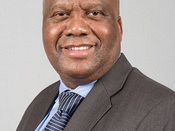
- Loyiso Dotwana is a civil engineer and has been in practice for the past 35 years. He is also president of the Nelson Mandela Bay Business Chamber.
Raw sewage. It is spilling into our rivers, flowing from overloaded pump stations into stormwater drains and flooding into streets and sports fields, homes and business premises as well as the harbour, beaches and the ocean.
Reports of such incidents in the metro are increasingly frequent, indicative of a sewerage network over capacity and under-maintained, in a state close to collapse.
This presents serious health risks of diseases such as cholera and typhoid, along with severe and wide-ranging social and economic consequences.
Our rivers, estuaries, beaches and oceans host recreational and competitive water sports, they are places for religious ceremonies, leisure and children at play, fishing (for subsistence and food security in some cases), and form the backdrop for hotels, restaurants and the nature-focused lifestyle for which our metro is renowned.
Uncontained, poorly managed sewage creates a health hazard for these diverse users, and has put a number of major river- and ocean-based sporting events, with their tourism and economic benefits, at risk of cancellation and moving to other cities.
For business, sewage leaks and spills into or near their premises is a health and safety risk for employees and customers, deterring visitors and diners, forcing temporary business closures or halting operations, potentially leading to insurance claims and lawsuits for damages and loss of income.
It’s an off-putting environment for tourists and investors, and creates an overall negative impression of Nelson Mandela Bay as a dirty, smelly, unattractive place.
Load-shedding and the major problem of vandalism and cable theft worsen the situation, causing disruptions of electricity supply to pump stations and wastewater treatment works, and thus further pressure on the system and potential for leaks and spills.
The devastating flooding in the northern part of our province and in KwaZulu-Natal over the past week also highlights the urgent need for the capacity of stormwater and sewerage systems to be upgraded and maintained at a level able to cope with the impact of extreme weather events. These will be increasingly frequent due to climate change.
It is a problem that needs comprehensive planning and managing, and the question is if enough is being done.
A signal this is not the case comes from the Green Drop report issued earlier this month by the’ department of water and sanitation, auditing the quality of wastewater systems.
The metro s Green Drop score has decreased from a high of 81% in 2011 to 65% in 2013 to 58% in 2021.
This is well below the minimum of 90% required for Green Drop certification as a water authority that delivers wastewater management at an efficient and effective standard.
The report raises concerns about the metro’s unsatisfactory monitoring of compliance with effluent quality and safety standards and the department of water and sanitation’s licensing conditions for its wastewater treatment plants, particularly regarding the pumping out of sludge from the Fishwater Flats facility.
The metro’s most recent sewerage master plan was compiled more than a decade ago, in 2009.
It identified a need to upgrade or construct about 286km of sewer pipelines and related infrastructure such as pump stations, as well as two extra wastewater treatment works, to meet projected demand due to expansion of metro residential and business areas up to 2020.
That time period has now passed, with no updating of the master plan, and it is not clear how much of the work was implemented in line with the needs identified in the previous plan to cope with an expanding metro.
The business chamber and the Civil Society Coalition, with the Eastern Cape Climate Change Coalition, are working together to address the high risk of collapse of metro sewerage infrastructure.
The most urgent needs are for the municipality to enlist an external expert to renew the sewerage master plan, auditing current capacity and future capital needs and determining whether wastewater treatment plants are operating within their licence requirements.
Investment in sewerage and stormwater infrastructure is critical, as is ring-fencing the budget for maintenance.
Artificial wetlands, such as the one at the Motherwell Canal, need to be established at all major tributaries to capture and treat wastewater, filtering out plastic and litter.
The Motherwell wetland is not working optimally, highlighting the need for ongoing maintenance as well as educating communities on what can and cannot be flushed.
Regular monitoring is critical, and we are calling on the municipality to regularly and publicly publish the results of water quality and effluent testing.
As businesses in the metro, we have to play our part and do the right thing, both ethically and legally, with regard to discharging wastewater and disposing of liquid waste.
Manufacturers need to dispose of industrial effluent properly, not into stormwater drains or rivers, while restaurant and hotel kitchens should have oil traps to prevent grease entering sewers and stormwater drains.
A multifaceted approach is required, with business, residents and civil society organisations all playing their part, but at the core is the municipality meeting its constitutional and legal obligations to the metro’s citizens and their right to safe drinking water and a safe and healthy environment.