
The Nelson Mandela Bay Municipality needs to urgently maintain the Metro’s crumbling stormwater drainage system as recent heavy downpours have exposed how ill-equipped infrastructure against possible heavy floods is.
The situation has been exacerbated by years of failure by the municipality to regularly monitor and maintain the city’s drainage network, which is currently clogged with foreign objects despite numerous calls from various stakeholders across the Metro to address this as a matter of urgency.
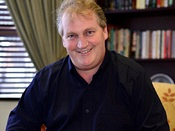
The matter was also highlighted by Dr Andrew Muir, the lead for the Chamber’s recently established Eastern Cape climate Change Coalition and who also serves on the Chamber’s board as its immediate past president, in his rapid assessment to assess how climate change will impact Nelson Mandela Bay.
The study provides an outlook from 2021-2040, and highlights the impact that extreme storm surges, rising sea levels and temperature increases will have on the Metro. The predicted storm surges, which are likely to follow the current drought, are set to cause severe damage to key infrastructure such as roads and buildings, and communities living in low lying areas will be particularly vulnerable.
“Think back to the destruction of the KwaZulu-Natal floods in April, in which almost 500 people died, 4 000 homes were destroyed and tens of thousands of people were displaced – and that mopping-up operation is still underway. In the aftermath analysis of why that flooding was so severe, the stormwater drainage system has been identified as a major culprit – insufficient to cope with Durban’s growing population and inadequately maintained drainage system.
“An ongoing municipal and public works programme of ensuring the drainage system is sufficient to cope with the size of the metro, and is sufficiently maintained, along with clearing alien vegetation from key areas such as the Baakens Valley and Van Der Kemp’s Kloof, are crucial to being prepared for the next major rain event,” says Muir. “Priority should be placed on protecting lives and as such homes should not be allowed to be built in flood plains and at risk low lying areas. Also, disaster management capabilities need to be reinstated in the Metro to ensure that early warning systems and other key measures are in place.”
As such, key the city needs to convene an urgent strategic planning session to develop a Climate Change Masterplan which includes clear details on the priority focus areas and how this should be implemented across the various impacted areas such as infrastructure, environment, health and disaster management.
Dr Muir further highlights that proactive planning should also include land-use planning such as restricting future developments in areas that are at high risk of flooding or stormwater surges. Furthermore, buffer zones should be created while strict measures should be enforced for all new buildings to have rainwater harvesting systems and water saving toilets, taps and shower heads. Also recycling and the use of grey water, especially for industrial and business purposes, should be accelerated.