
Put differences aside and work together for good of the Bay

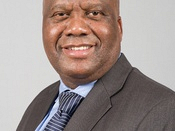
Loyiso Dotwana is president of the Nelson Mandela Bay Business Chamber
Chaos and instability in the politics and administration of the metro are at new lows, and while the crisis around the city manager position, the standing of councillors and the authority to call council meetings plays out, service delivery is grinding to a halt.
The council has failed to approve the 2021/2022 adjustment budget, rendering officials unable to spend money on critical projects; mayoral committee meetings have been cancelled, resulting in a lack of decisionmaking; and National Treasury grants are being forfeited or withheld because of underspending and failure to make decisions.
Meanwhile, the draft budget for the 2022/2023 financial year still needs to be reviewed and approved.
Political instability since 2016 has brought us to this point, a void lacking decisionmaking, financial allocations and responsibility, in which residents and businesses cannot rely on the most basic of service delivery they pay for.
The problems of theft and vandalism of infrastructure, decaying buildings, filthy streets, unsafe water, sewage spills, water and electricity outages, severe backlogs in repairs to water leaks and street lights, delays in rezoning applications that support development and investment — these can all be laid at the door of the municipality ’ s inability to do its job due to the volatility at the top.
Without getting these basics right, our chances of retaining investment, let alone attracting new investment, and encouraging tourism growth, are severely hampered.
The business chamber has been driving the message that we, residents, businesses, civil society, politicians and officials of the metro, need to act together to reverse the current dysfunctional state and create a resurgence in the Bay.
We’ve made it clear in meetings with political parties, churches, business groups, civil society formations and others with a stake in the future of the metro that political differences must urgently be put aside and replaced with a clear focus on serving residents’ best interests.
The chamber is a neutral organisation, apolitical and with no religious or other affiliations, other than organised business — hence, when we meet with political parties, we extend the invitation to all parties represented in council, and we welcome engagements with all denominations and interest groups.
Our message has been welcomed, and we are encouraged that the various stakeholders are enthusiastic about our resurgence campaign and want to be involved.
The concerted, co-ordinated action needed to change the course of the metro must be guided by a vision so we act in alignment and with shared purpose.
We have put forward a vision, which has been well received by stakeholders, a “just imagine” scenario of:
- A metro where the basics work (water, electricity, roads, cleaning, security);
- A place in which residents and their families feel safe to live and work;
- A place people want to come to and don’t want to leave;
- A clean city which people are proud to live in and become ambassadors of;
- A vibrant local economy which retains and attracts investment and creates jobs;
- An attractive destination which unleashes its natural beauty and assets to grow tourism;
- A hub of innovation and creativity, where it is easy to become an entrepreneur;
- A place where the city administration makes it easy for businesses to operate and get on with the business of creating jobs.
All of this could be possible through a team of collaborators who are change agents serving the greater good of the Bay.
This is critical — it involves a shift in attitudes, a shift to a growth mindset that sees opportunity and potential rather than barriers, it requires hope and optimism, and it requires collaboration focused on key priorities, implementation and delivery based on shared values and common purpose to serve the best interests of the metro.
Even more critical — at the same time as businesses, residents and organisations are putting their hands up to help reverse the decline, political and administrative leaders of the metro must put their differences aside, get on board with the growing movement for positive change and resurgence, and deliver the stability and certainty needed to make it happen.
At the dawn of democracy in SA, this was the first large city to establish a unified transitional local council, paving the way for more equitable representation and delivery of services. It became an example to the rest of SA of what could be achieved by working together.
In those first few years of democracy and the creation of the metro, this was a well-run metro and even recognised as SA’s cleanest.
Let’s take inspiration from this and find the will to get Nelson Mandela Bay on track again.